Harmonic Minor Scale, & Natural and Melodic Minor Scale and Piano Chords Chart for the 12 Minor Keys
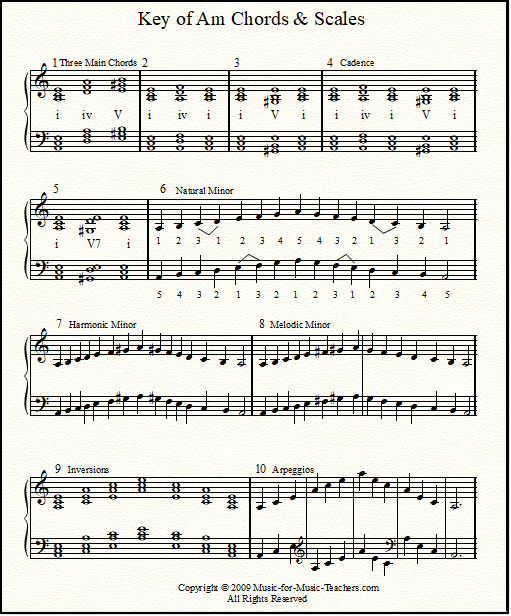
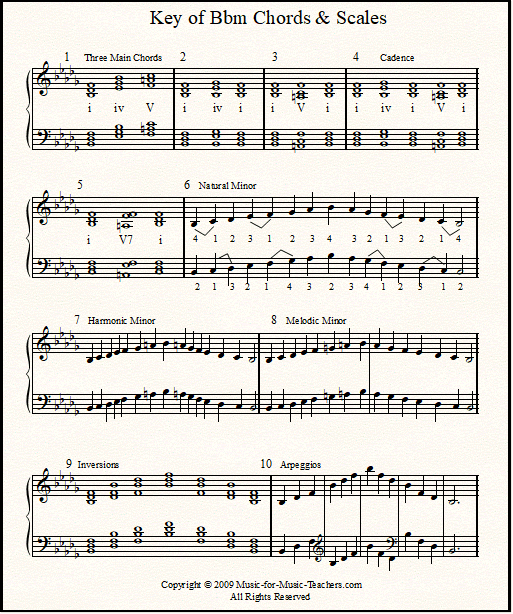
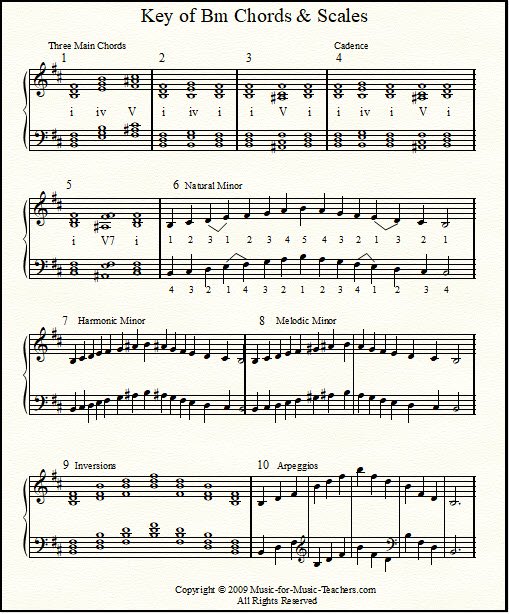
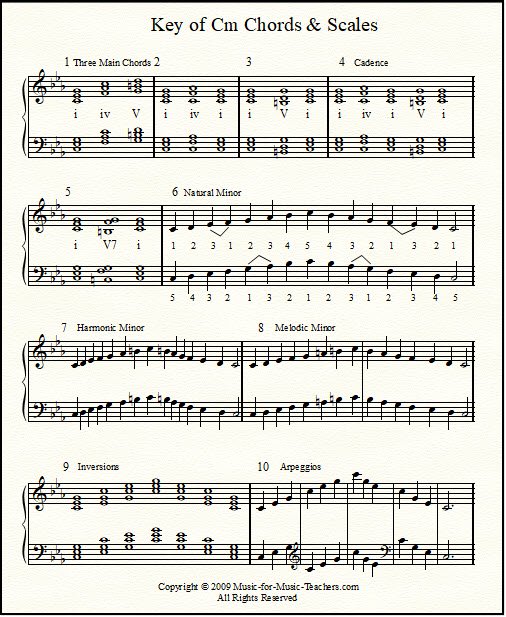
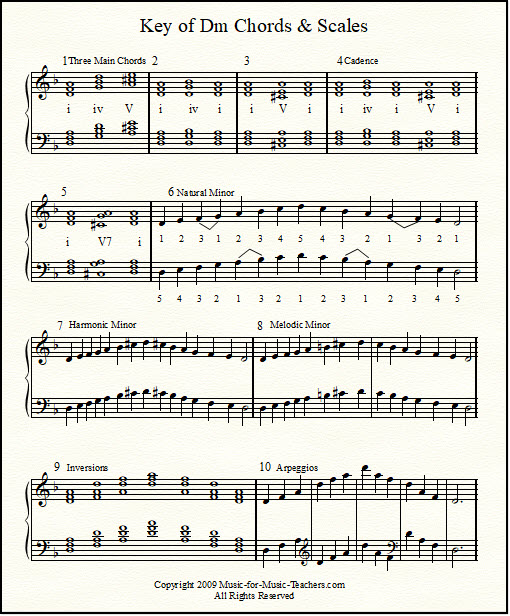
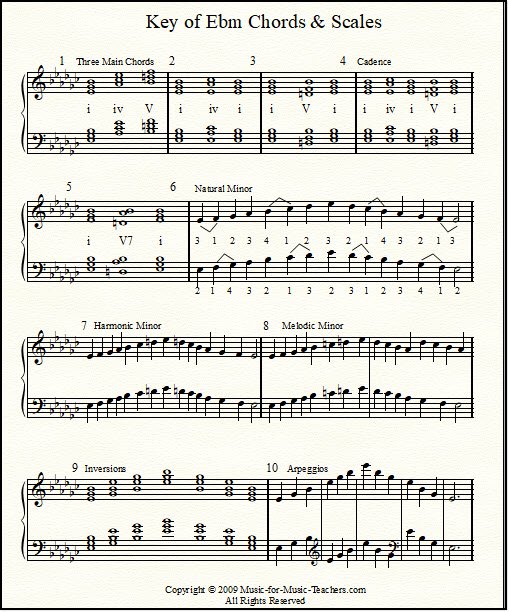
Harmonic minor scale, plus natural and melodic minor scale, in all the keys!
Print out:
- one-octave and
- two-octave scales,
- I, IV and V chords,
- tonic chord inversions and
- arpeggios, all on one sheet for each of the 12 minor keys!
Please scroll down the page for the download links.
Minor sounds seem mysterious
As a child, I always loved the minor keys the most. I guess I still do.
Of all the scales, the harmonic minor scale was my favorite, because it seemed to contain magic within its sounds... magic that could carry me away to other lands in my imagination.
Please scroll down the page for the download links.
Please scroll down the page for the download links.
Turn scales into a game of skill
My students started to really enjoy their scales, chord inversions and arpeggios when we made a contest out of the process... a contest between them and the metronome!
It gives them a goal, a measurable mark of progress. They can feel the skill of their hands growing.
Please scroll down the page for the download links.
The mystery of the v (V) chord in minor keys
Here's a question about the major V chord I received from an alert reader - perhaps you've pondered the same question:
Question: I have 1 small question... In your 1-4-5 progression on Minor scales, there is i, iv and V (minor,minor, major). Shouldn't the V (major) also be a v (minor)?
Reply: That is a very good question. It is the difference between the sound of a NATURAL MINOR scale and a HARMONIC MINOR scale that you are seeing.
Ordinarily, in Western music, when we go to the V chord, even in minor, we preserve the raised 7th step of the scale in order to "lead" the progression back home to the I or i chord.
The leading tone "drives" us home to the tonic
It is the half step between the 7th (also called the "leading tone") and the 8th (which is the same as the 1st, or "tonic") steps of the scale that is important.
So usually a chord that includes the 7th step of the scale, and a melodic passage also, will raise that note a half step, particularly if the chord progression is taking us back "home" to the I chord.
The metronome can be fun
When they get fast enough with arpeggios that we leave the one-tic-per-note behind (when 208 is not fast enough) and we need to do three notes for each tic of the metronome, that can be intimidating or even irritating.
Matching the metronome can be a struggle for some kids. But here's a fun approach:
Say you're doing an Am arpeggio... break it up into segments. Start hands separate, even if they can easily do hands together arpeggios. Set the metronome for 60 or so (about 3 times the speed of 200, or a little less).
Like jumping rope!
Listen to the metronome go "Tic -- Tic -- Tic" while you say "1-2-3, 1-2-3, 1-2-3," each "1" coordinated with a tic, waiting to "jump" in like a child jumping rope.
Then jump in, playing just one octave, making the A's match the metronome. "A-c-e-A!" (Tic-2-3, Tic-2-3) "A-2-3-A!" Then try two octaves. Then backwards.
Doing the arpeggios in "chunks" like this will give them another practice technique for their "toolbag".
Below is an interesting Youtube video which seeks to explain the difference between regular natural minor, and the harmonic minor scale:
I hope you find the harmonic minor scale and other piano scales and chords useful in your music studio.
While understanding the method of building them is what's most important, it is also helpful for students to know what they look like. For you as a teacher, sheets like these save time and expedite assignment-making.
By the way, the links on this page open up into new pages so that you don't have to keep going back to the main page.
This is breaking one of Google's little rules - opening in a new page is supposed to be reserved for when you are taking a site visitor away from your website - but I find it a nuisance myself to have to keep going back to a page and scrolling back to where I was!
The download links for the minor scales:
Download free minor scales and piano chords chart Key of Am
Download free music scales and chords for Bb minor
Download printable scales and chords for B minor
Download scale and piano chords chart for C minor
Download music scales and chords for key of C# minor
Scales and chords for key of D minor
Piano arpeggios, scales and chords for Eb minor
Download scales and chords for key of E minor
Chord inversions, argeggios, and scales for key of F minor
Download free piano scales and chords for key of F# minor
Download arpeggios, chords, and scales for G minor
Download printable piano scales and chords for G# minor
The links for the enharmonic minor keys:
Download enharmonic chart Key of Ab minor
Download enharmonic chart Key of A# minor
Download enharmonic chart Key of D# minor
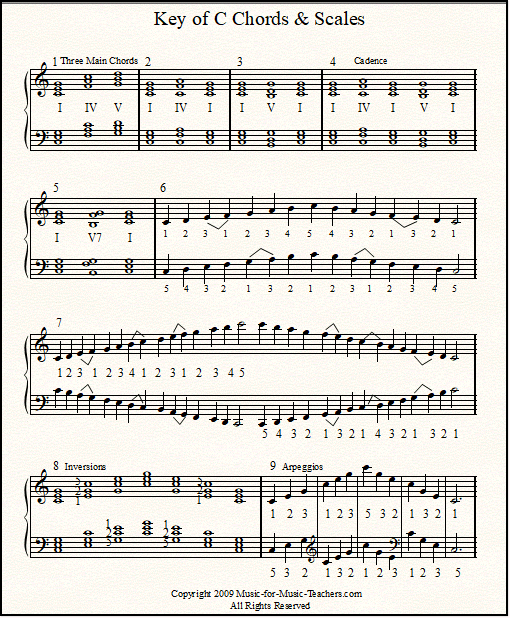
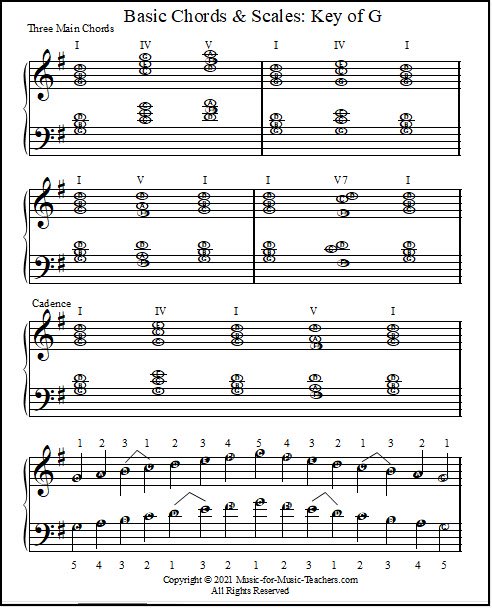
Music for Music Teachers has other great free resources for piano teachers! Take a look:



Rote Learning - leaving the written page behind (or treating it like a map!)
Recent Articles


-
When He Cometh "Jewels" Hymn: Piano, Guitar, Vocal
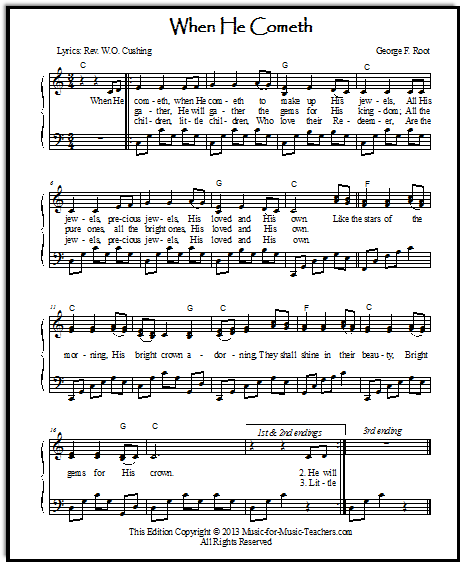 When He Cometh or "Jewels" is an old-timey sounding hymn. Very sweet & very simple, this is one your piano students & vocalists can learn from!
 -
Moonlight Sonata: How to Play This Piece Full of Black Keys & Triplets
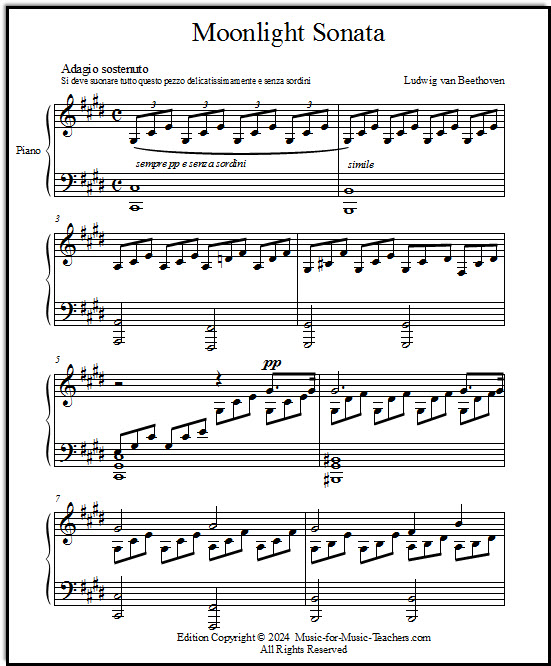 Moonlight Sonata: How to play this difficult piece full of black keys & triplets? Use large notes, lots of white space, & letters inside the note heads - easy!
 -
Bach Well-Known Pieces for Piano: the Musette in D, a Crowd-Pleaser!
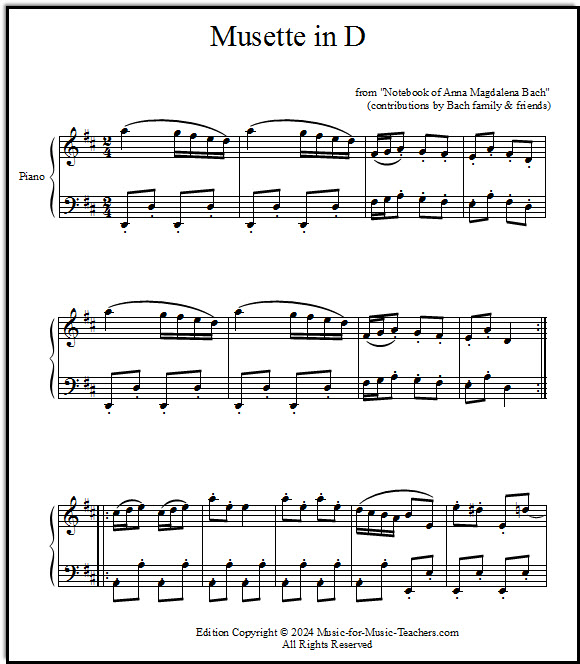 Some of the best Bach well known pieces include those from the "Notebook for Anna Magdalena Bach." Among piano pieces, "Musette" is perhaps the most joyous!
 -
Christ Arose Sheet Music: Resurrection Day Song for Piano or Guitar
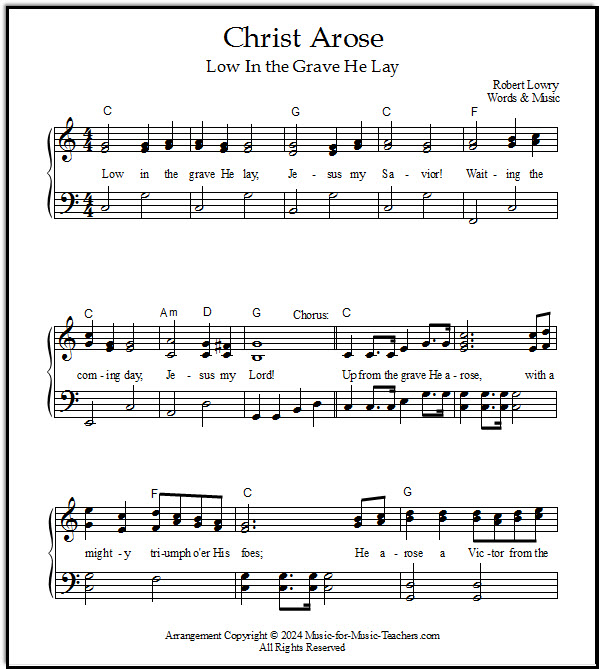 "Christ Arose" sheet music is perfect for Easter, or as many Bible believers say, "Resurrection Sunday." Mixing somberness & triumph, this song explains Easter.
 -
Sweet Hour of Prayer Hymn Sheet Music for Late Elementary Piano
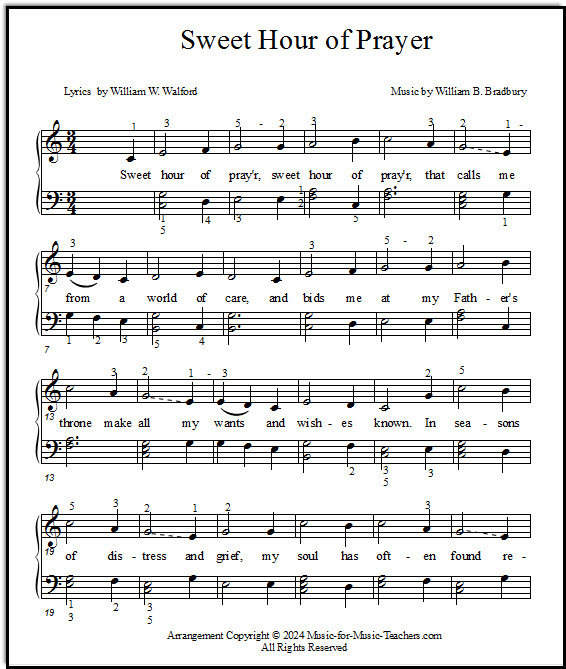 Sweet Hour of Prayer hymn music has been around a long time, and is greatly loved still. Check out 4 arrangements for beginning to elementary piano, & guitar!
Interested in songs from the Bible for your students or church? Check out my other website, SingTheBibleStory.com!
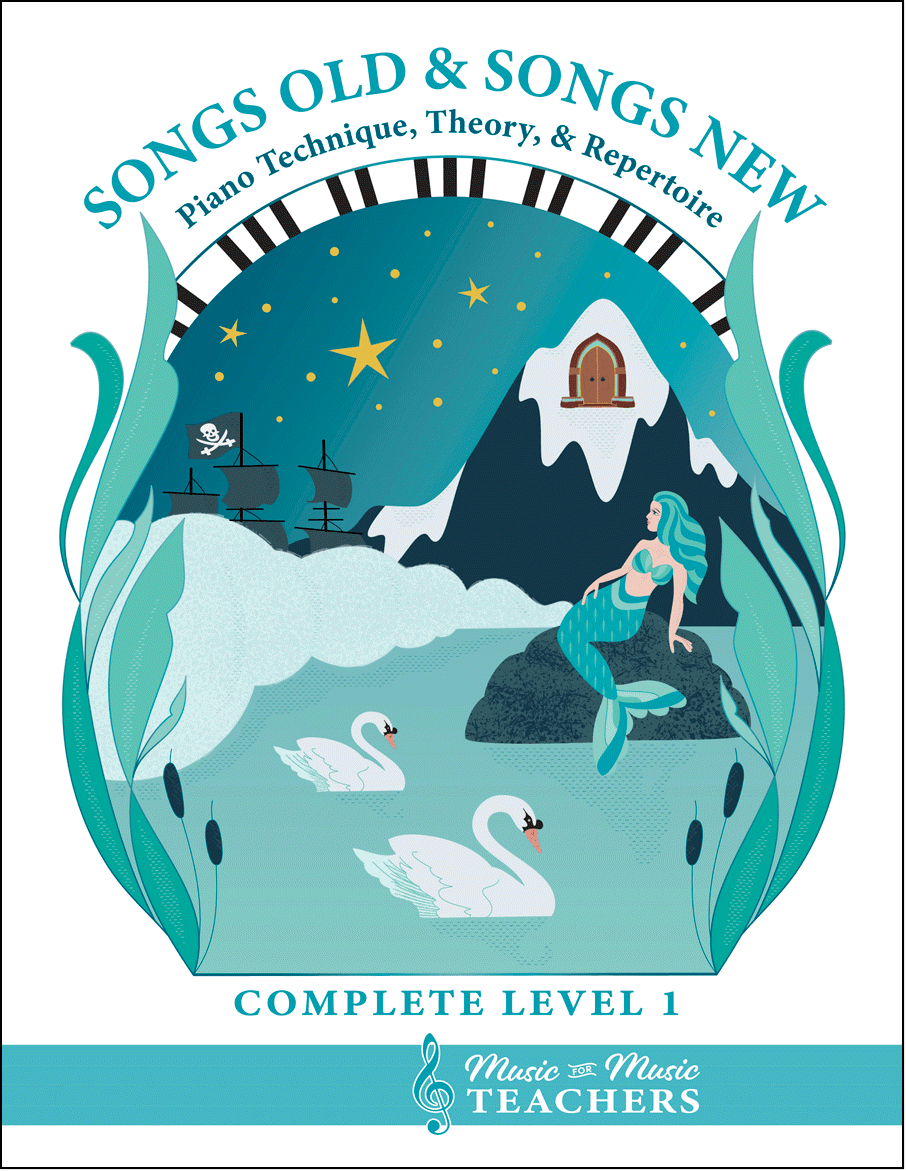
All the first-year material I give my beginner students.
Piano keyboard sheets, scales, chords, note-reading exercises, and over 256 pages of music!

This beautiful song book for piano & voice "Esther, For Such a Time as This", available as a digital download, tells the riveting story of the time when Jews in ancient Persia faced a foe named Haman, and how a brave young queen risked her life to save her people.
A good choice for a singing story-teller, an operatic group, a short theater production, or a class of children!
This book is also available from Amazon as a paperback.

This book is available as a digital download from this site. Visit this page to see some free examples from the book.
It is also available from Amazon as a paperback!
This is the perfect easy start for little pianists.
And when they start reading white-key notes on the staff, this is a fun easy resource to say each week, "Choose a new black-key song at home this week and figure it out to show me next lesson!" They will be spending more time at the piano.
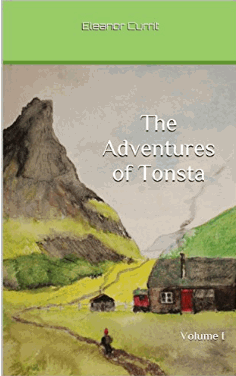


A perfect read aloud storybook
for little boys or girls.
The Adventures of Tonsta highlight the travels of a very young boy with a good heart, who goes about helping folk in trouble.
With a red cap on his head and a sack of tools slung over his shoulder, Tonsta seems to meet people in distress wherever he goes.
Lots of trolls in this book - including one who gives him a Christmas gift!
Comments: Do you have a story or a question about music teaching? Share it!
Please note that all comments are moderated, and will not appear until I have approved them. Also, IF YOU ARE ASKING FOR MUSIC THAT IS NOT IN THE PUBLIC DOMAIN, YOUR REQUEST WILL BE IGNORED. That's pretty much any music written in the last 75 years...
What Other Visitors Have Said
Click below to see contributions from other visitors to this page...
Looking for:
Secret Agent Not rated yet
Does anyone know where I can buy a copy of "Secret Agent"? Not to be confused with "Secret Agent Man" - a student of mine played it in recital a few years …
Mr George Boyd Not rated yet
Thank you for your scale (Major and Minor) resources. They are wonderful.
So often the major scales are written but not all three minor scales. Often …
Sign up for "Take Note!" to see what's new every month.
About the Author

Hi, I'm Dana! (Say that like "Anna".) I'm the owner of Music-for-Music-Teachers.com, and a newer site, SingTheBibleStory.com.
Like some of you, I've been playing the piano since early childhood, and have added a few other instruments along the way, plus an interest in arranging and composing music.
You can find out more about me and the reason for this website at my About Me page.

Recent Articles
-
When He Cometh "Jewels" Hymn: Piano, Guitar, Vocal
When He Cometh or "Jewels" is an old-timey sounding hymn. Very sweet & very simple, this is one your piano students & vocalists can learn from! -
Moonlight Sonata: How to Play This Piece Full of Black Keys & Triplets
Moonlight Sonata: How to play this difficult piece full of black keys & triplets? Use large notes, lots of white space, & letters inside the note heads - easy!